
In the bustling ports and docks, the comings and goings of vessels are like the pulse of a city—constant and powerful. However, with the growth of the shipping industry, the tonnage and size of ships have increased significantly, posing unprecedented challenges to the safety protection of port facilities. Against this backdrop, the Dock Guardian flexible bumper barrier has gradually become an important choice for port safety protection due to its unique advantages.

Dock Guardian Flexible Bumper Barrier, as the name suggests, is characterized by its “flexibility.” This flexibility does not refer to structural fragility but rather the ability to exhibit excellent elasticity and toughness when facing collisions from ships, thereby minimizing damage to both the ship and the barrier itself. Behind this design concept lies engineers’ deep understanding and relentless pursuit of the requirements for port safety protection.
Firstly, let’s look at the structural features of the Dock Guardian flexible bumper barrier. The barrier is made of high-strength polyethylene material, which not only boasts superior impact resistance but also is wear-resistant and corrosion-resistant, ensuring long-term stability in various harsh marine environments. Internally, it employs a special honeycomb structure that allows for rapid dispersion of impact forces across the entire barrier upon collision, reducing pressure on the point of impact. Additionally, adjustable support feet at the bottom of the barrier enable flexible adjustments according to different water depths and dock structures, ensuring stability and safety.
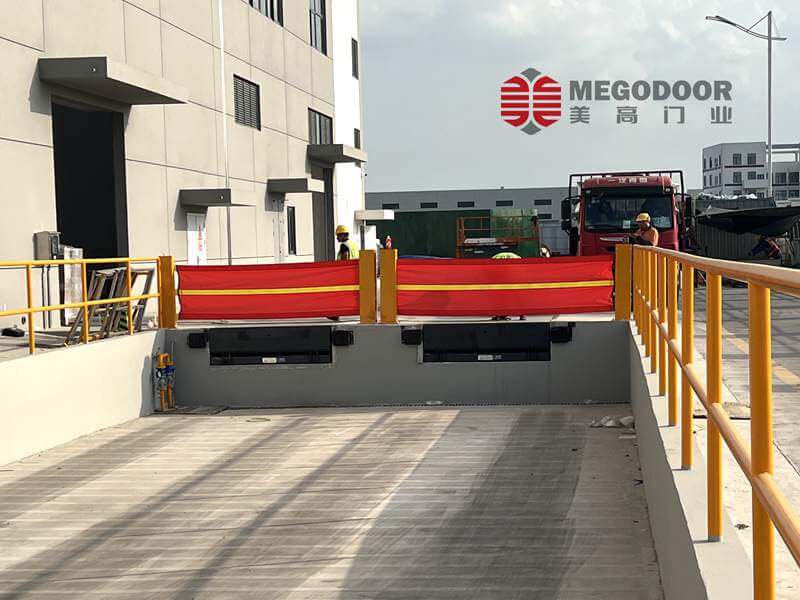
Functionally, the role of the Dock Guardian flexible bumper barrier is self-evident. It effectively prevents ships from colliding with the dock due to operational errors or rough seas, safeguarding both the ship and dock facilities. Moreover, the barrier’s flexibility ensures that ships can quickly regain balance after a collision, reducing secondary damage. In emergencies, the barrier can also serve as a temporary mooring point for ships, ensuring safe evacuation.
However, the advantages of the Dock Guardian flexible bumper barrier extend beyond these aspects. Environmentally, it also demonstrates unique value. Traditional steel bumpers often produce noise and sparks during collisions, causing harm not only to ships and dock facilities but also polluting the surrounding marine environment. In contrast, the Dock Guardian barrier, made from environmentally friendly materials, produces neither noise nor sparks, making it harmless to the marine ecosystem. Furthermore, the ease of dismantling and installing the barrier minimizes environmental disruption.
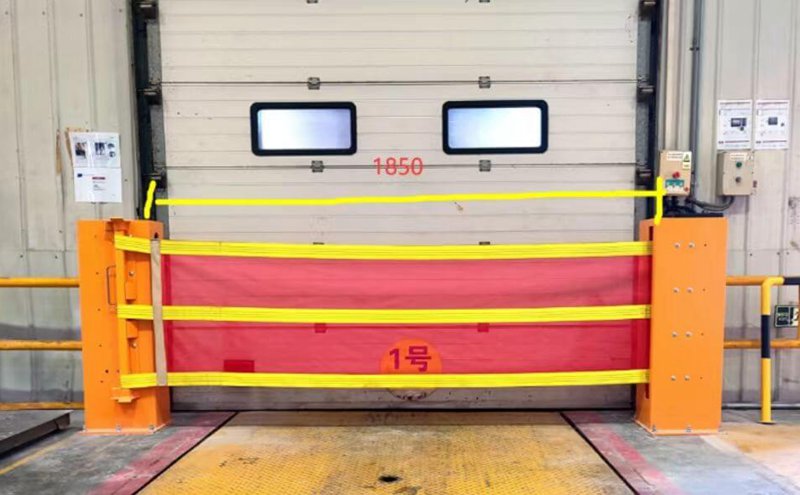
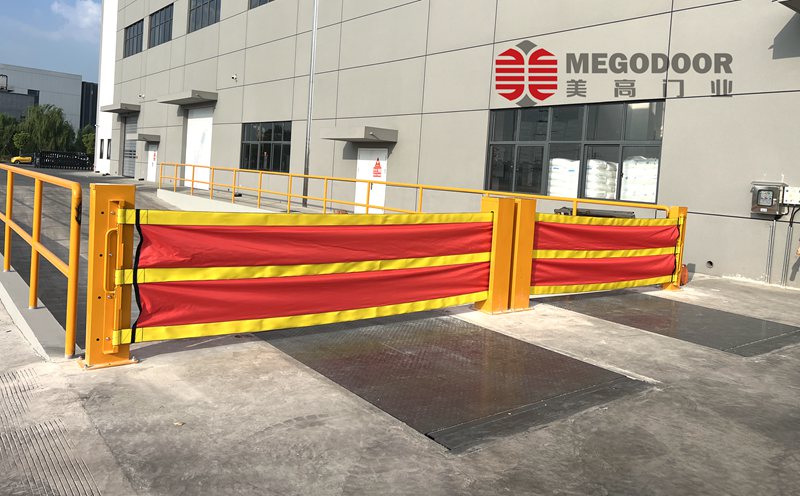
In practical applications, the Dock Guardian flexible bumper barrier has been widely recognized and adopted. Many ports and docks use this barrier to ensure the safety of ships and facilities. For instance, in a busy Asian port, Dock Guardian barriers were installed at key locations on the dock. After some time, the port observed a significant reduction in collision incidents between ships and docks, markedly enhancing safety. Due to its outstanding environmental performance, the port received unanimous praise from local residents and environmental organizations.
Of course, no product is without limitations. Although the Dock Guardian flexible bumper barrier excels in safety and environmental protection, it may not meet all needs under certain specific circumstances. For example, in extremely adverse weather conditions, its flexibility might lead to some degree of damage. Therefore, flexible adjustments and maintenance based on actual situations are necessary when using this barrier.
With its unique advantages and characteristics, the Dock Guardian flexible bumper barrier plays a crucial role in port safety protection. As the shipping industry continues to develop, we believe this barrier will gain even wider application and promotion. Meanwhile, we look forward to more innovations and breakthroughs that will inject new vitality and momentum into the cause of port safety protection.